
Lost Another Bid? How to Use Photos, Layout, and Proof to Make Owners Actually Read Your Proposal

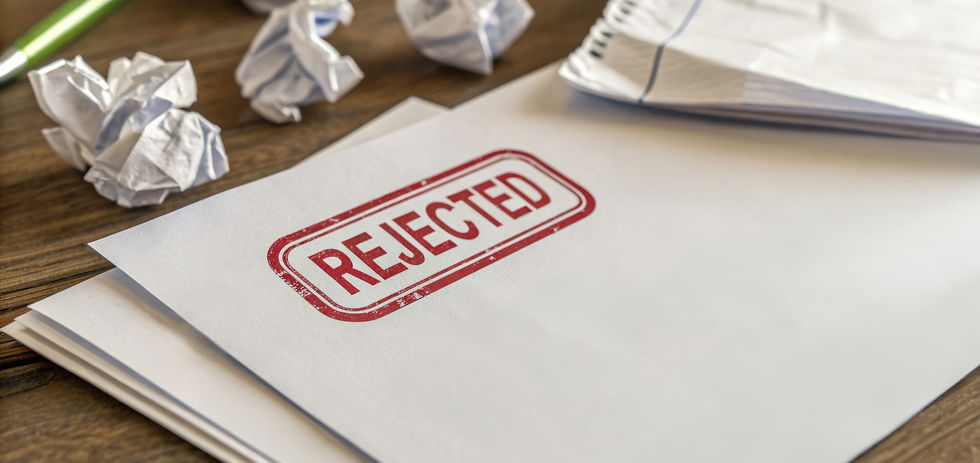
Reading is boring
You may love to read….When it comes to a subject you enjoy. Sure, you read dozens of posts from your favorite blogs, social media influencers' thought pieces, and the local news stories that will be great conversation starters with your friends. But no one likes to read for work, especially when it comes to project planning and budgets. This is the hardest obstacle many businesses face when closing a deal.
Picture this: You just got off a call with a potential client. They love your services and connected with how you will execute the project. They love your business approach and are ready to sign, all they have to do is review your proposal. So you send it over. It summarizes the deliverables, timeline, next steps, and cost. It even has a “pay now” button to make it easier for them to sign and pay in a single action. And then boom….. You don’t hear from them for a few days. And when you follow up, you are told, “We really appreciate your time, but we have decided to go with a different vendor. However, we will be in touch if we need any additional support in the future.”
This is insane, right? You connected on the call. You built a great relationship. They love your work. Your production timeline works for them. And your competitive price fits within their budget. So why did they ignore you? It’s because they had to read through 3 pages of a meeting summary, deliverables, timelines, and package breakdown just to find the final quote price and the “pay now” button. You lost them on the first page. Once they saw the total number of pages in the proposal, they started to look at the clock instead and felt the time crunch.

Gathering information at a glance guides the reader to an actionable item…Payment
Brief, bite-sized bits of information are all that is needed to inform your clients. You have already done the heavy lifting in the consultation call. Make it easier on yourself and your client by quickly summarizing the call and pointing them directly to the deliverables and quote.
This also helps the client recall their interaction with you during the meeting. When they read “Intial audit,” as a line item, they remember that it is the first step you mentioned in your process before any next steps can occur. That is huge; it elicits the feeling of reassurance you gave them when discussing your production process. You weren’t selling the product on that call, you were selling yourself.
One other thing to mention is that this should all be on the first page of the proposal. But we will get into that later on.

Proposal layouts win bids
The way you organize information in your proposal plays a big role in the sale. If the client has to ping-pong around the page to get an idea of the project scope, they will be overwhelmed. And if reading your proposal is overwhelming…What does that say about working with you? Is your process as chaotic as your proposal? Is everyday correspondence going to be confusing and hard to understand?
Yes, these questions seem far-fetched and absurd. But these are the questions that clients ask themselves and internally in their business, based on your proposal layout.

Your proposal will cross the desk of major stakeholders, and their time is valuable
We all know that the final signature on a contract is the one of a major stakeholder. No matter how impressed the person on the other side of the table (or camera) is, they usually aren’t the one with the final signature. Better yet, it may have to go to the billing department and then the COO for a final sign-off. So keep in mind that the principle of writing a “short and high-level” email to a CEO or COO still applies in proposals.
So keep information tight, easy to glance over. Ask yourself these questions before you send it off:
What is the goal of this proposal? (Am I making the final sale or highlighting an offering?)
What 3 things stand out when I glance at this document?
Is important information highlighted?
How many pages is the proposal?
Is the CTA clear?
Another element to consider is the Visual Hierarchy of your document. You can learn more about that in a previous post of ours here.

Keep the photos to a minimum
The proposal is not your portfolio. If you do use photography, keep it between 1 and 2 images. And do not use stock images. Use images that highlight a particular product, process, or your brand. Too many create confusion between the images they are seeing and the deliverables highlighted in the proposal.
Too many images take up valuable space that can be used to make the sale
How are you going to seal the deal when your client can’t even find what they are looking for, and how to pay? To reiterate, your proposal is not your portfolio. Many times, not using photography can lead to anticipation for the next step in the process. Part of your process could be a kick-off meeting where you review some ideas for the site, a brochure of services, and a visual guide of your internal process. That is the stuff that creates confidence from your client and a long-lasting relationship that leads to repeat business and great referrals

Your brand isn’t consistent
No matter how incredible your services are or how competitive your price is, bad branding between touchpoints will kill a bid. When your leads review your proposal, they may check out your website again. If that doesn’t reinforce your internal brand, the disconnect will have them scratching their heads. How can you work efficiently and effectively when you can’t keep your “house” in order? Confidence lost = Investment loss.
Brand consistency from your business card to your billing invoice builds trust and makes sales.
When each touchpoint lines up it’s easy to connect with your clients, instill trust, and guarantee a strong relationship. Also, it makes converting referrals into clients simple. Check your website, social media posts, LinkedIN bios, and everything in between to ensure your brand stands out from your competitors. What you say is part of your brand as well. When you write proposals, check the tone of the document. Maybe add a small intro or a quick thank you to sweeten the deal.
Unsure? Well, we got you covered with a Brand Consistency Checklist to make your life easier:

3 tips to help you win that bid
Tip 1: Always lead with your value, not the product. Add a sentence or two explaining how your services can/have brought value to your clients.
Tip 2: Parse down the proposal. You only need a few pages to make the sale. Clean up the case studies and keep them high-level. It’s easy to lose a client to a dissertation with a price tag at the bottom.
Tip 3: Bring your business forward with your brand. Don’t leave money on the table by blending in with your competitors. Do an internal audit of your brand to make sure everything is consistent. Winning a bid can be as simple as an intro paragraph with your mission statement.

Count the wins and not the losses
How did you win your last few bids, and what did you do differently this time? Take a second to review past bids that were successful and steal some elements. Compare those to bids that lost, and you may find some helpful insight moving forward.

Make future clients bid for you with a confident, industry-leading brand
Think about how you show up in your industry. What makes you better than your competitors? Are you solely relying on a competitive price point to win that bid? Or is your reputation and brand doing the heavy lifting, so locking in that client with a higher rate is easy?
If you want to explore ways that you can elevate your brand and win more bids and beyond, contact us. Visit mindthepixels.com to explore our work and connect with us to see if we’re the right fit to support you in the upcoming year and beyond.


Comments